Taste Buds
Fried and True
Andrew
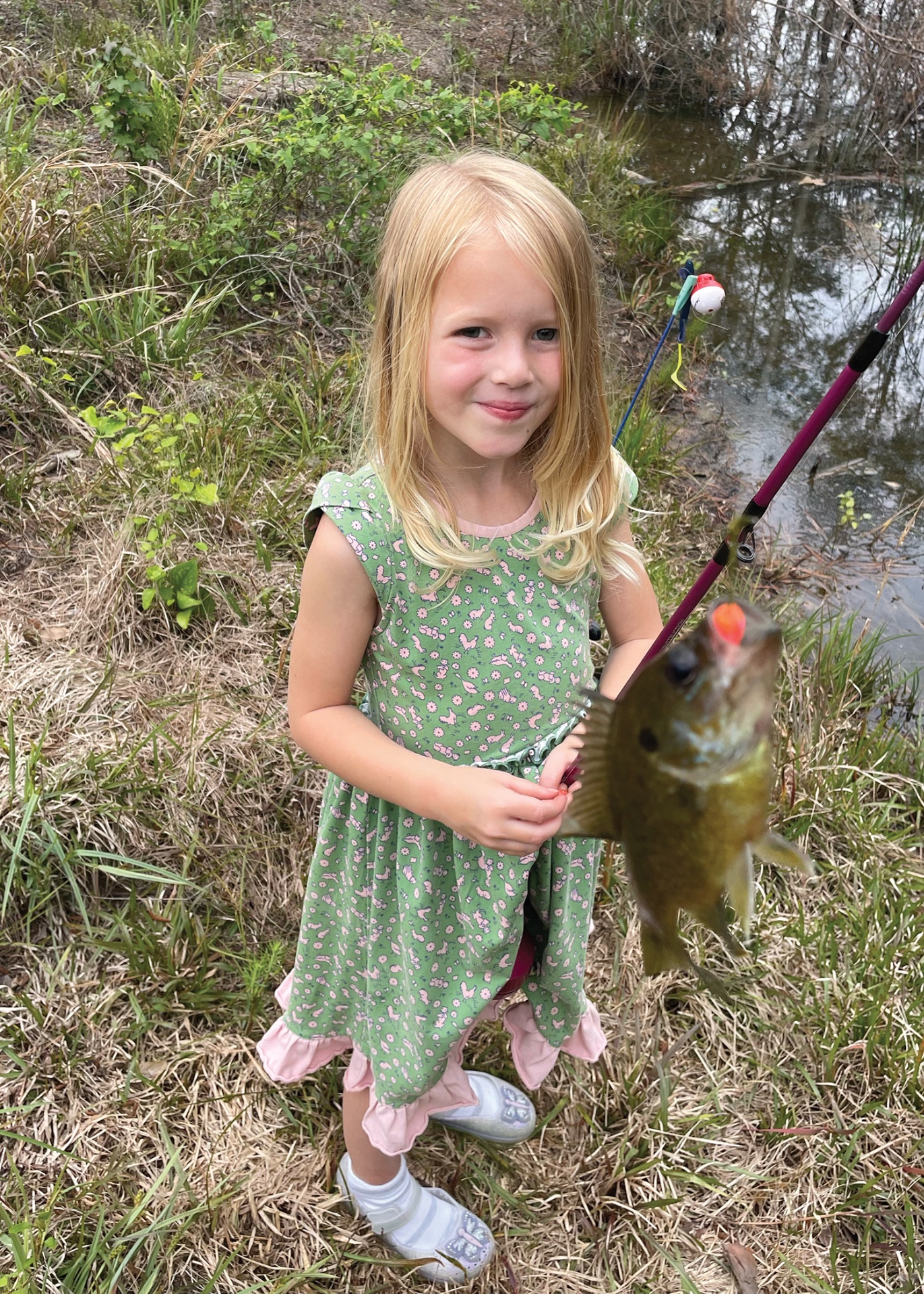
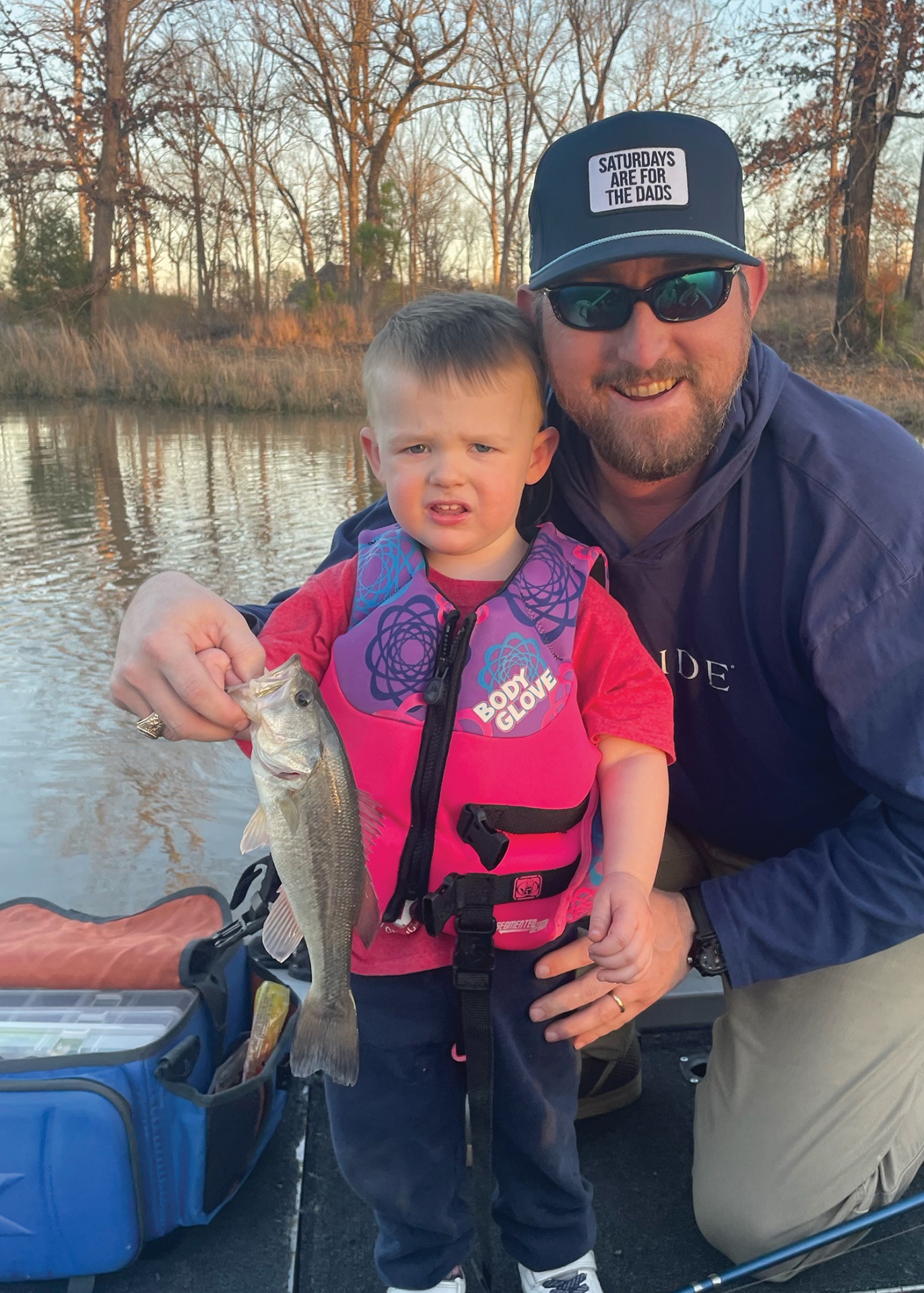
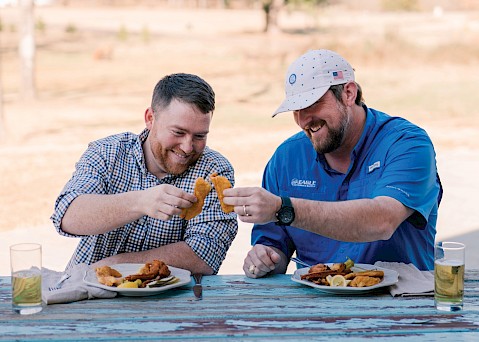
In Genesis 1:28, God calls us to rule over the birds in the sky and the fish in the sea. We covered the birds when we cooked dry-aged duck steaks in the December 2023 issue. Now it is time to dig into the fish. Some of my earliest memories include going with my dad, fishing poles hanging out the back cracked window of his blue Buick Century, and going to a stock tank in Waco, Texas, where I would eventually hook into my first five-pound bass. It wasn’t until we moved to Texarkana that I can remember bringing home a stringer of fish with my dad and watching him get out all the necessary implements to clean our catch and get the grease hot to prepare our homemade meal from nature’s grocery store. A fish fry was the first meal I pulled together all by myself, and I still remember the feeling of accomplishment and gratitude I had when everyone was seated at the table enjoying the day’s fresh catch. Fast forward twenty-something years, and I still love getting friends and family together to enjoy some golden crispy fish with all the fixin’s.
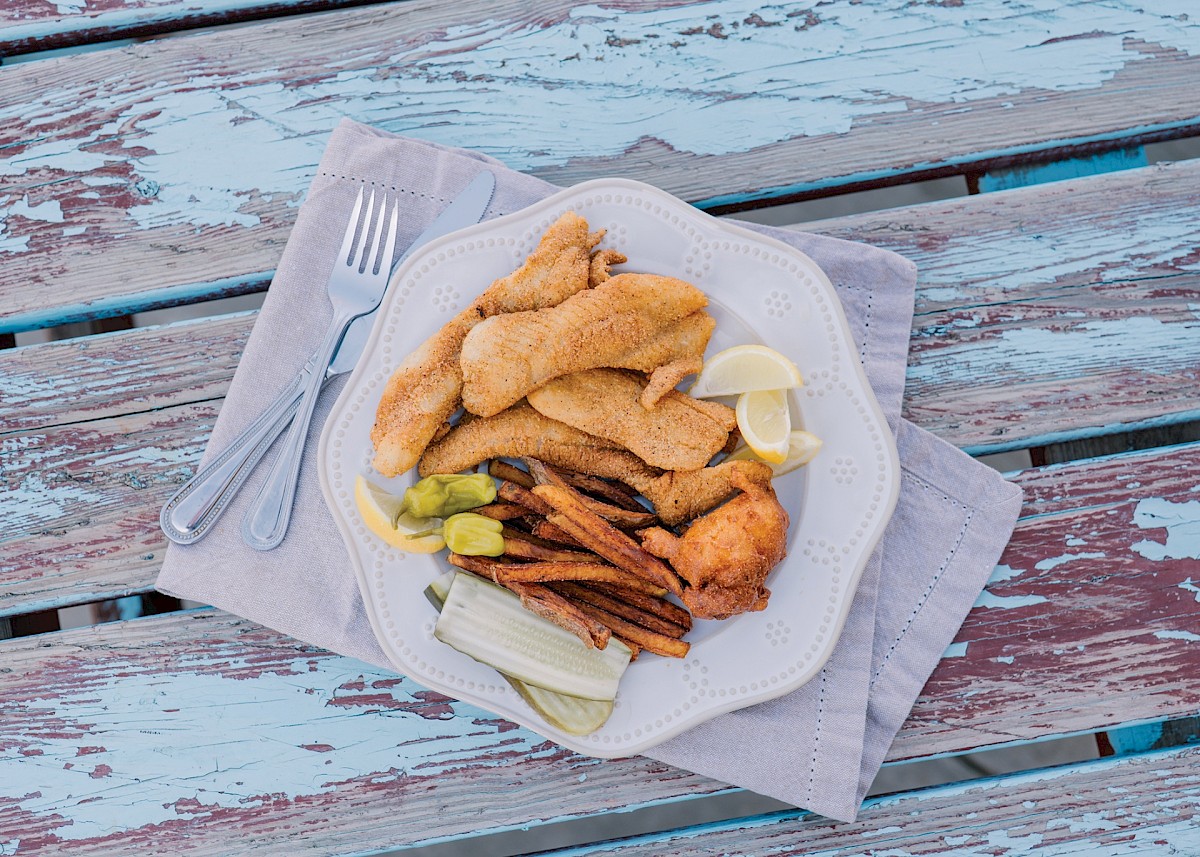
French Fry Double Fry
- 1 five-pound bag of potatoes (feeds six to eight as a side)
- 1 jar of Meat Church’s Season Salt
Ray
If you want to make the best homemade French fries, you will need Yukon gold potatoes (Russett will also work), a French fry press, a large tub to hold ice water and fries, a serving tray, and your favorite fry seasoning.
To start, slice the potatoes up by hand or use a French fry press. If you’re cooking for a large group, a press is the best way to cut up the potatoes. Once the fries are cut, I cull any bad ones and place the rest in an ice bath. The ice water helps pull some starch out and will also help produce crispy fries. I typically do this step first and let the fries soak while I prep fish or other extras. Soak time should be about 30 minutes to an hour.
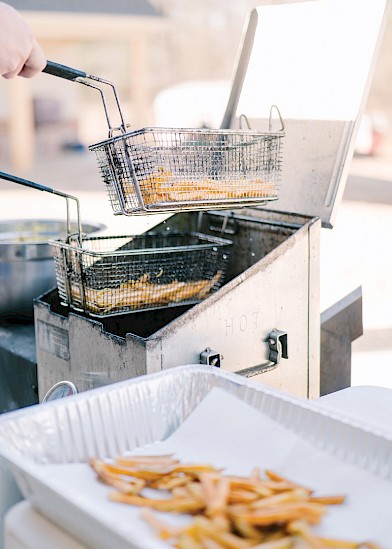
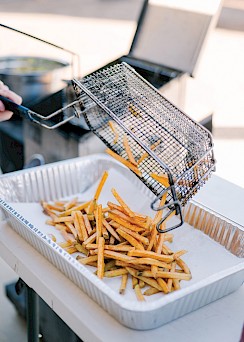
I cook on a two-basket Cajun fryer that holds about four gallons of oil. It takes about 15-20 minutes to heat up to the right temperature. This fryer setup makes cleanup a breeze, keeping everything together. I just have to turn on and off the propane at start and finish. Once I’m finished cooking, I just turn off the propane, shut the lid, and it is ready for me the next time I am ready to fry.
When the grease is getting close to the right temperature, I pull the fries out of the ice bath and give them a quick dry. When it reaches 300-330 degrees, I put the fries in for the first time for three to four minutes. When I pull them out of the grease, they are undercooked, but that’s okay because this is just round one. I dump them in a big metal food tray from Sam’s and repeat until all the fries have had their first cook.
This is when I let them rest for a while and move on to cooking the other items that need to be fried. (Normally, I leave the fish for last.) For the final fry, I keep the temperature around 350 degrees. That can be hard to regulate perfectly with frying, so you may need to adjust the cooking time. I put the fries back into the fryer for only a couple of minutes to finish them. When the fries start to change color, I pull them from the grease, shake off the excess oil, and place them back in my tray to season. The fries will continue to crisp up a little even after being out of the grease, so you want to make sure you don’t overcook them.
Now it’s time to season the fries. One of my go-to seasonings is Meat Church’s Season Salt. It has become a family favorite. Once the fries are seasoned, it’s time to grab a plate and enjoy
.
Hushpuppies
Andrew
On the hushpuppies… I must give a shout-out to my former “Taste Bud,” Kyle Akin, as he is the one who showed me this recipe a few years ago. It is not as simple as getting a bag of frozen hushpuppies out of the freezer section at your local grocery store, but give this recipe a try, and I doubt you’ll ever go back to those again.
- ½ cup of self-rising flour
- 1½ cup of self-rising cornmeal
- ½ teaspoon of baking soda
- ½ teaspoon of salt
- 1 tablespoon of sugar
- 1 cup of buttermilk
- 1 small yellow or white onion
- 1 egg
- ½ to 1 cup of diced jalapenos
- (depending on your desire for spice)
Mix all these ingredients in a bowl until the consistency is smooth. Fill a glass of water about ¾ of the way full and put a simple serving spoon in there. It doesn’t have to be big. The water will help the batter fall off the spoon as you scoop a serving of the batter and drop it in the grease. Be careful! Dropping the mix in a spoonful at a time can cause the hot grease to pop back up and burn your fingers! If you are cooking in a basket-style fryer, it’s important you do not put them on the bare wire because they will stick. As they enter the grease, they will float immediately and begin to brown on the bottom. When they turn a darker golden brown, flip them over so the top side can finish cooking. Then pull them out and let your guests start to sample as you get ready to fry the fish.
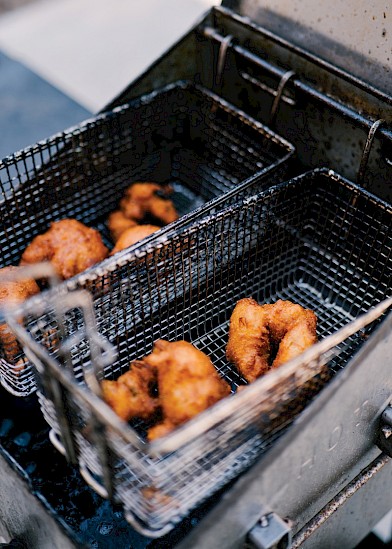
Photo by Matt Cornelious
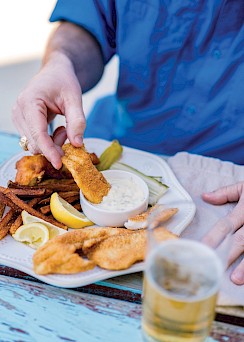
Fish
- 3 brown paper sacks for the batter
- 1 box of Tony Chachere’s Crispy Fish Fry
- 1 Box of Tony Chachere’s Seasoned Fish Fry
- Louisiana Hot Sauce (or similar)—optional
- peanut oil or grease of your liking
Andrew
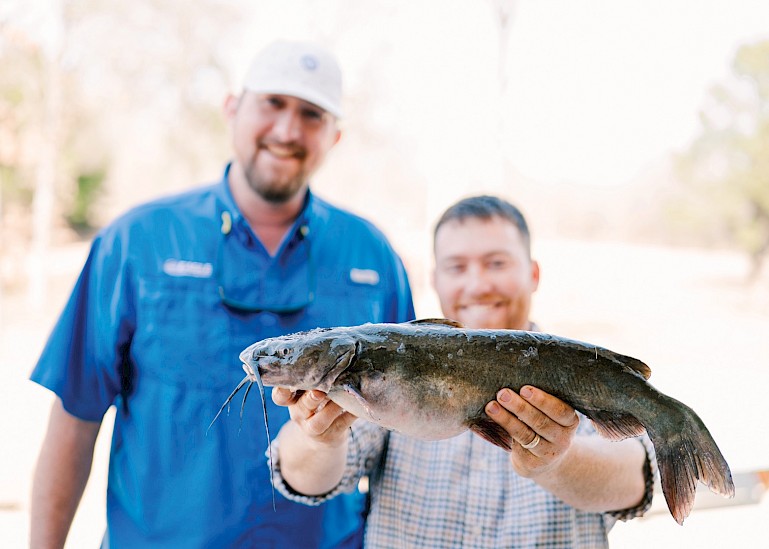
My three favorite fish to batter and drop in the grease are crappie, catfish, and largemouth bass. Yes, I said it, largemouth bass! I know that can be controversial amongst some anglers, but one of my all-time favorite places to fish is a pond that needs some 12-14-inch largemouth thinned out. To me, they are as close as it gets to perfection as the king of all fish fries, followed by crappie. They have many names, depending on what part of the country you are from. White perch, slab, sac-a-lait, paper mouth… it doesn’t matter what you call them, they are a real treat.
For this recipe, I had about eight crappie from Millwood Lake. The process is quite simple. Once I have my fish filets rinsed, I like to put them straight into the batter—no need to pat them dry. (Optional step—coat the filets in Louisiana Hot Sauce or Frank’s Red Hot to give a little something extra to the golden crispies.)
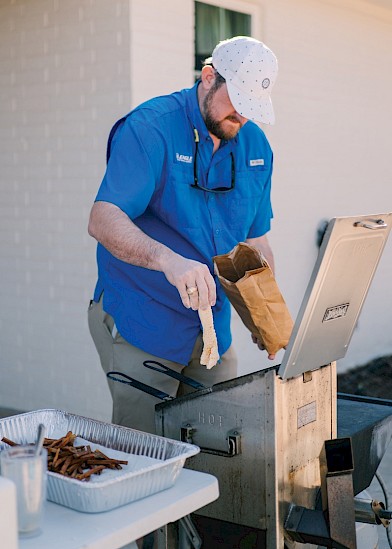
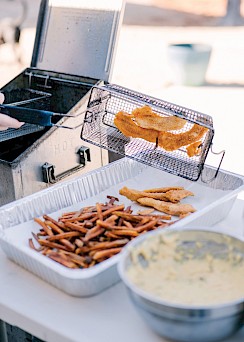
The batter is just a couple of boxes of pre-made fish fry (my favorite is listed in the ingredients) mixed up and dumped into a brown paper sack. I use three to help contain the batter when shaking and covering the filets. The paper sacks also help with cleanup. When you are done with the fish, it can all be thrown away.
Once you get your filets covered, heat the oil to between 330 and 365 degrees. After heating, drop your coated filets into the grease. Make sure you do not have too much grease in there, or it will overflow and make a huge mess, or worse, a fire that can’t be put out. After two minutes of sizzling in the grease, they should be ready to pull out and serve.