Modern Midwives
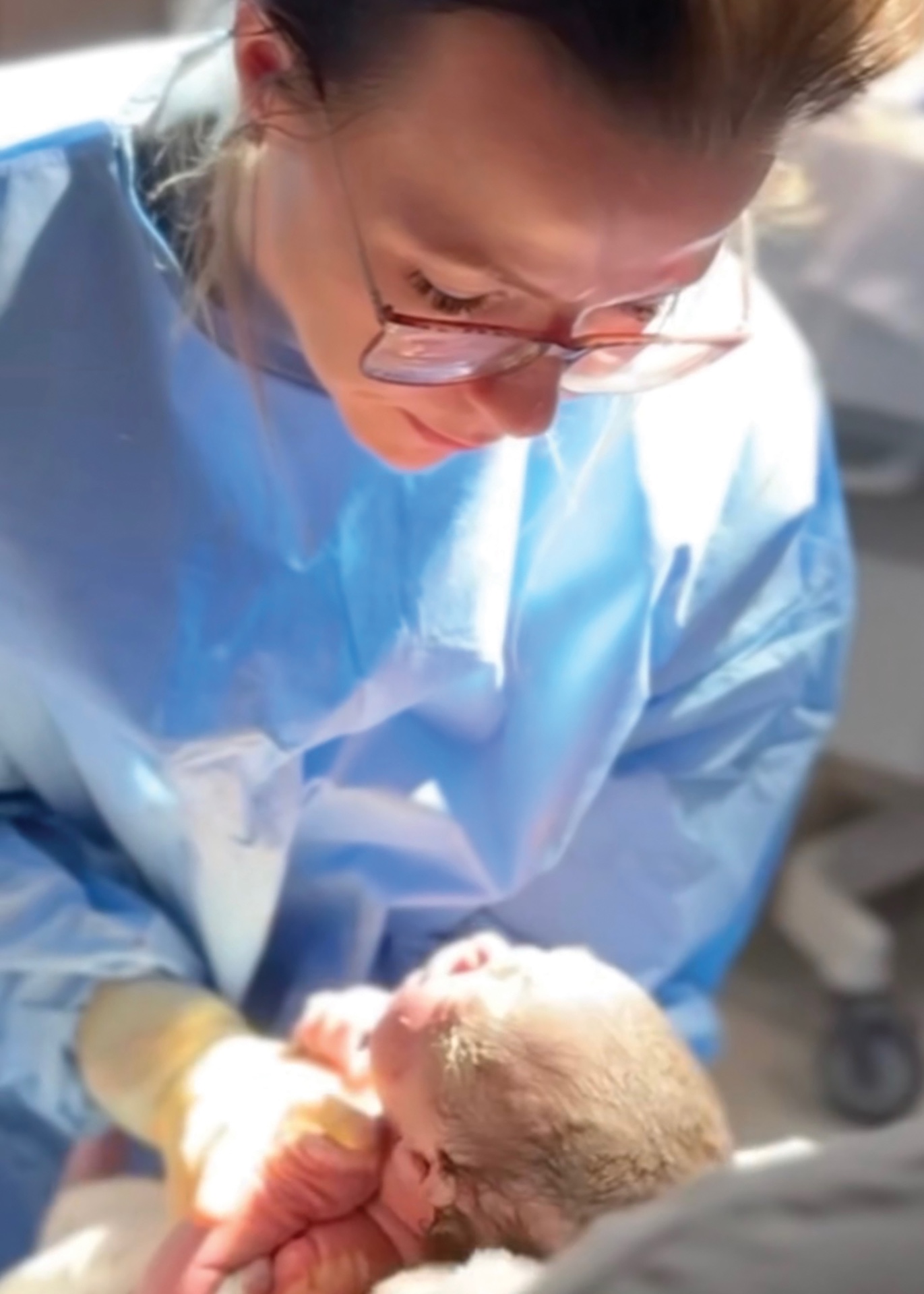
There is something sacred about life’s beginnings: the first breath, the first cry, the first time a mother locks eyes with the life she has carried. In those moments, time stands still. The world narrows into something both fragile and powerful.
As Mother’s Day approaches, we are reminded that every mother’s story begins somewhere, often with the compassionate presence of someone walking beside her. For some in our community, that presence is a Certified Nurse Midwife (CNM). A CNM stands faithfully “with women,” as the word midwife literally means, helping usher in not just a new life but a new identity for that woman, that of becoming a mother.
For Pamela Wyatt, the calling came early. After earning her Bachelor of Science in Nursing in 1996, she stepped into the fast-paced, emotional world of labor and delivery at CHRISTUS Mother Frances Hospital in Tyler, Texas. Even then, she knew her role was only the beginning of something more.
“My lifelong fascination with childbirth and the beginning of life inspired my career choice,” Wyatt said. “While I truly enjoyed my role assisting with deliveries, I aspired to take a more active part by performing deliveries myself.” That aspiration led her back to school, and in 2006, she completed her master’s degree, becoming both a CNM and a women’s healthcare nurse practitioner. With that, she stepped into history, becoming the first CNM practicing in Hunt County and beginning her work delivering babies at Presbyterian Hospital in Greenville, Texas.
Over the course of her career, Wyatt has delivered about 5,000 babies, and she describes each one as “unique and meaningful.” Yet, even with thousands of births behind her, the wonder never fades. “I especially feel honored when helping couples who have faced infertility challenges,” she says. “Those deliveries bring me particular joy and pride, because I know how long those parents have anxiously awaited and hoped for a precious child.” It’s a perspective that reveals the heart of midwifery, which comprises not just clinical skill but a deep emotional investment in every story that unfolds with each delivery.
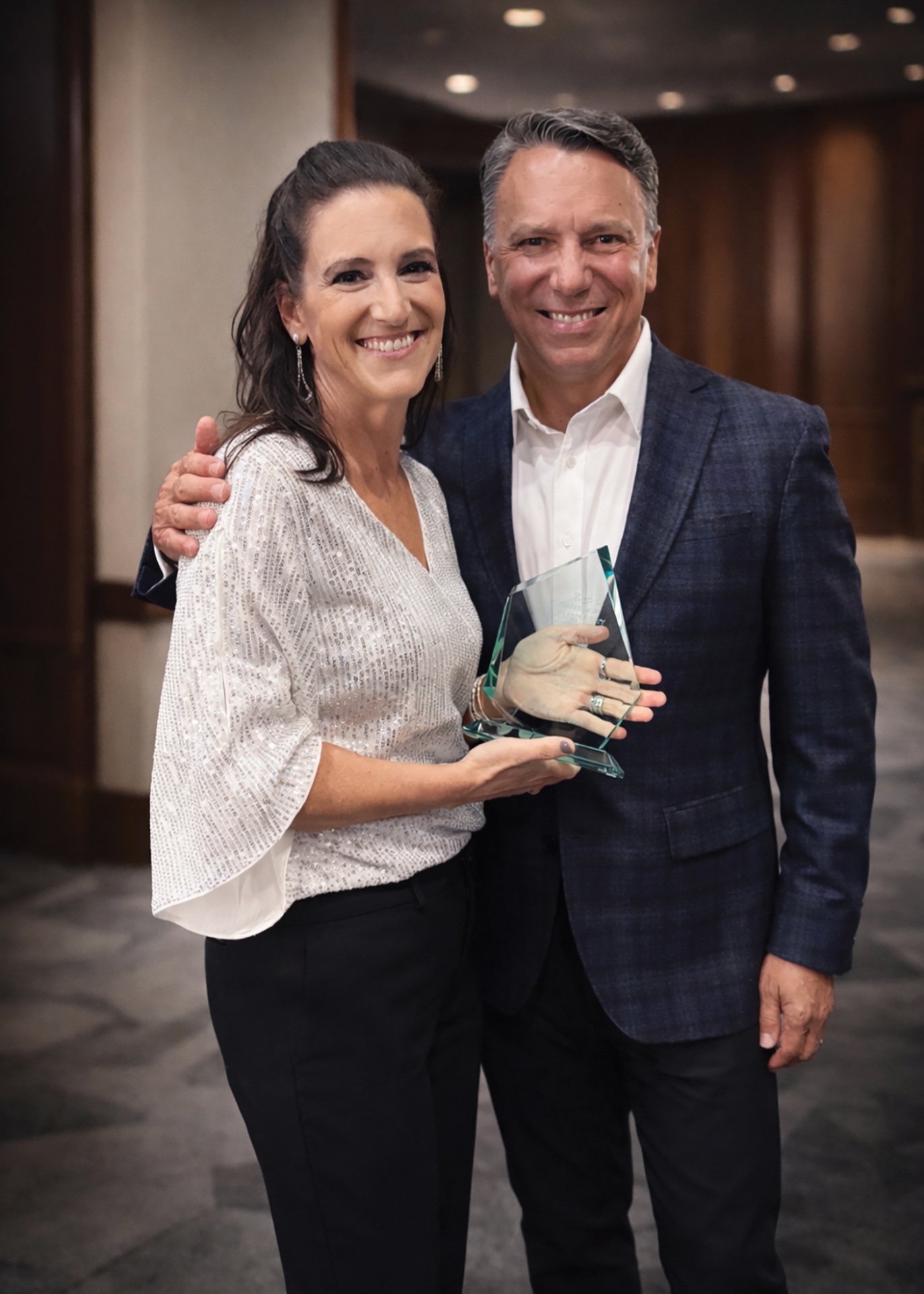
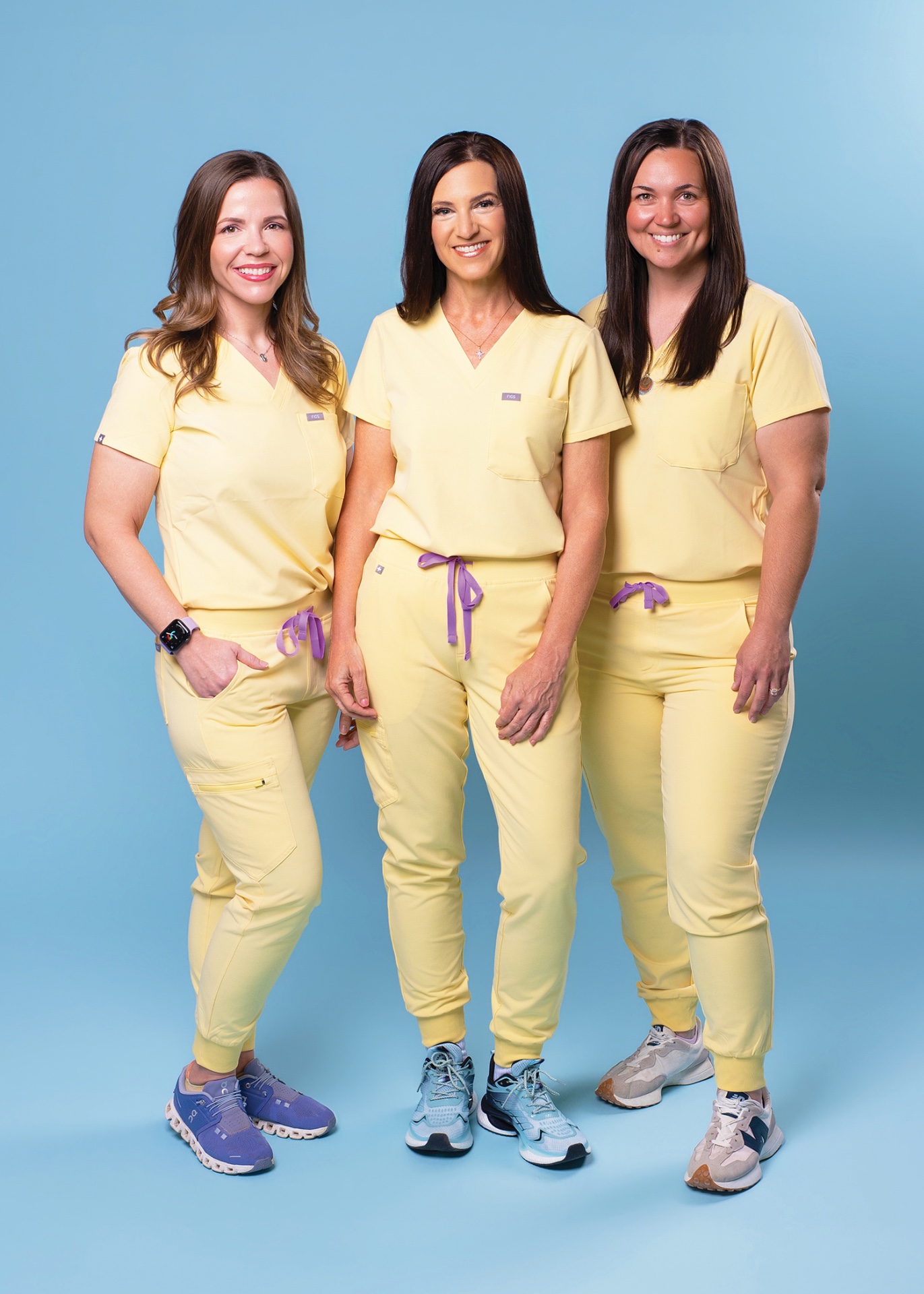
Today, Wyatt works as a midwife for CHRISTUS St. Michael Hospital as part of the OB Hospitalist Group (OBHG), where she serves as the director of midwifery services. As the first CNM in the program, she helped lay the foundation for what has now grown into a team of five midwives, all committed to improving outcomes and experiences for mothers across the region. Her leadership was recently recognized with the first-ever OBHG CNM Leadership Award, an honor that reflects both her expertise and her unwavering dedication.
That impact has not gone unnoticed by the physicians she works alongside. Dr. D’Andra Bingham, who has worked closely with midwives throughout her career, recalls the program’s early days with excitement. “I worked closely with CNMs during my training at Parkland Hospital, so I was very excited when CHRISTUS St. Michael Hospital decided to start the midwifery program,” she said. “However, for a lot of the staff, it was a brand-new idea. There could not have been anyone better than Pam Wyatt to be our first midwife. She quickly proved herself to be an extremely competent, knowledgeable, and caring team member. She was able to expand the program to have a midwife covering labor and delivery 24/7. I have worked closely with every one of our midwives, and they have become such a valuable asset to the moms and babies in our community. We are lucky to have Pam and her team.”
That collaborative success is echoed by Dr. Ann Marie Ledley, Maternal Medical Director and OBHG Site Director, who has seen firsthand how integrating midwives has strengthened care across the board. “The addition of midwives to our OB Hospitalist Program at St. Michael has enhanced the care we provide to women in Texarkana and the surrounding communities,” she explains. “Their presence brings a more holistic, patient-centered approach to childbirth while supporting safe, high-quality obstetrical care.”
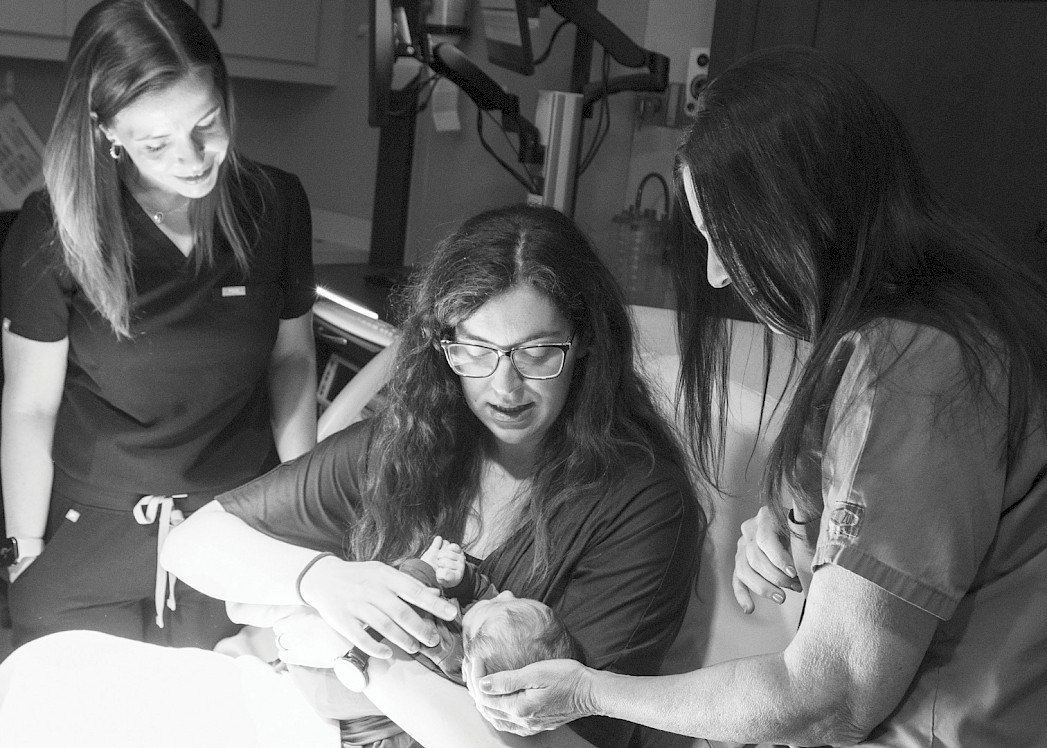
Beyond experience and atmosphere, the results are measurable. “This collaborative model has also contributed to improved outcomes, including a reduction in the primary cesarean section rate among first-time mothers. Our cesarean section rate dropped by approximately 10%,” Ledley adds.
A CNM is far more than many people realize. As advanced practice registered nurses, CNMs provide comprehensive care for women at every stage of life, including pregnancy, labor and delivery, postpartum care, and beyond. They perform gynecological exams, provide family planning guidance, address reproductive health needs, and collaborate with physicians when complications arise.
Beyond the clinical responsibility lies something a bit harder to define and perhaps more important. Midwives care for the emotional and spiritual well-being of their patients. They listen, reassure, and create space for women to voice their fears and hopes, and to ask questions. They empower mothers to trust their bodies and take an active role in the birth experience. “The woman leads her own body and birthing experience,” Wyatt explains, “while the midwife serves as a supportive guide.”
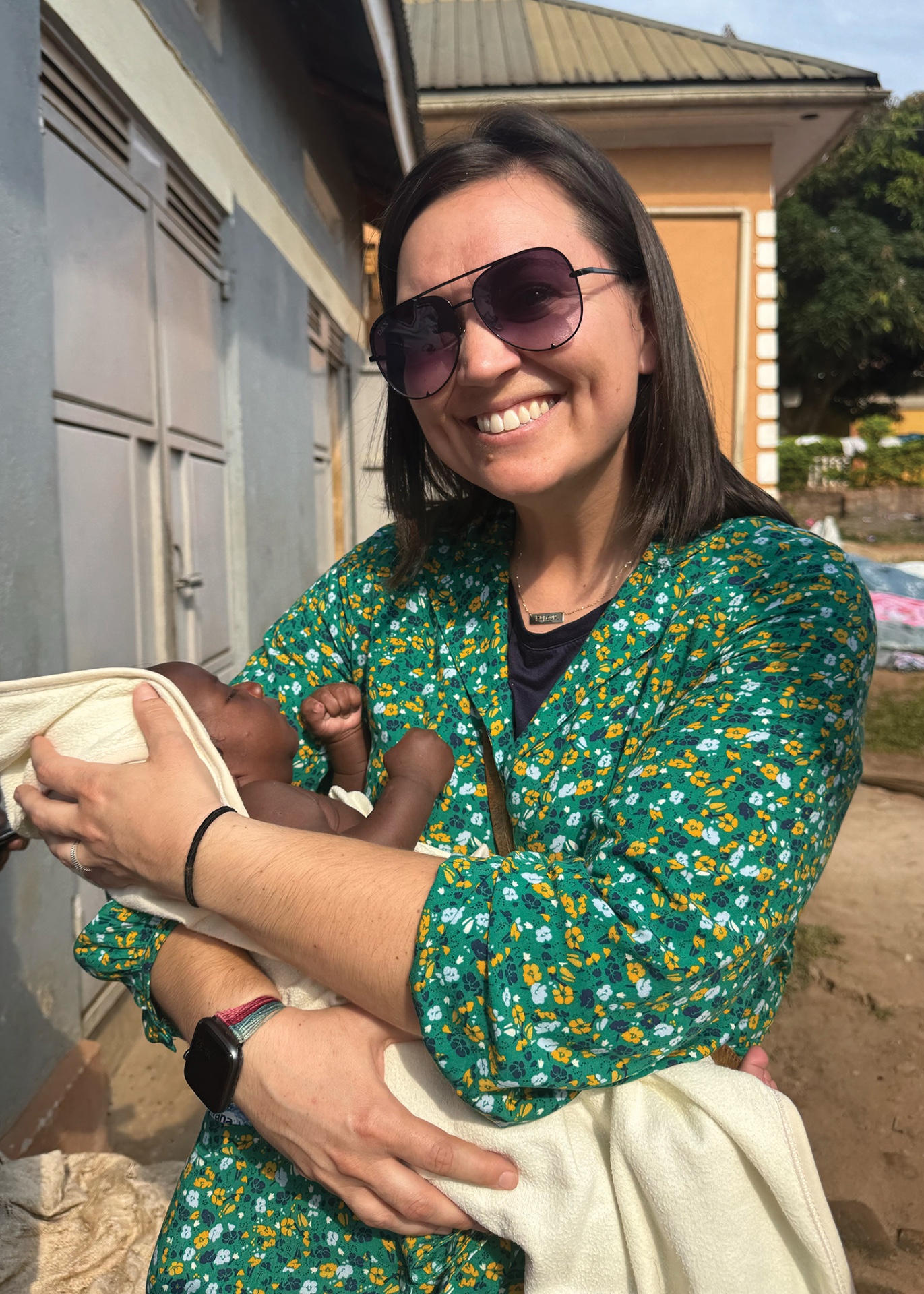
That philosophy is echoed in the words of fellow midwife, Hollie Sharrock, FNP-C, CNM, who describes her work not just as a profession but as a privilege. “It is pure joy to walk alongside a woman who is pregnant,” she said. “To be chosen as a trusted individual, someone they trust with a very intimate part of life, is humbling.”
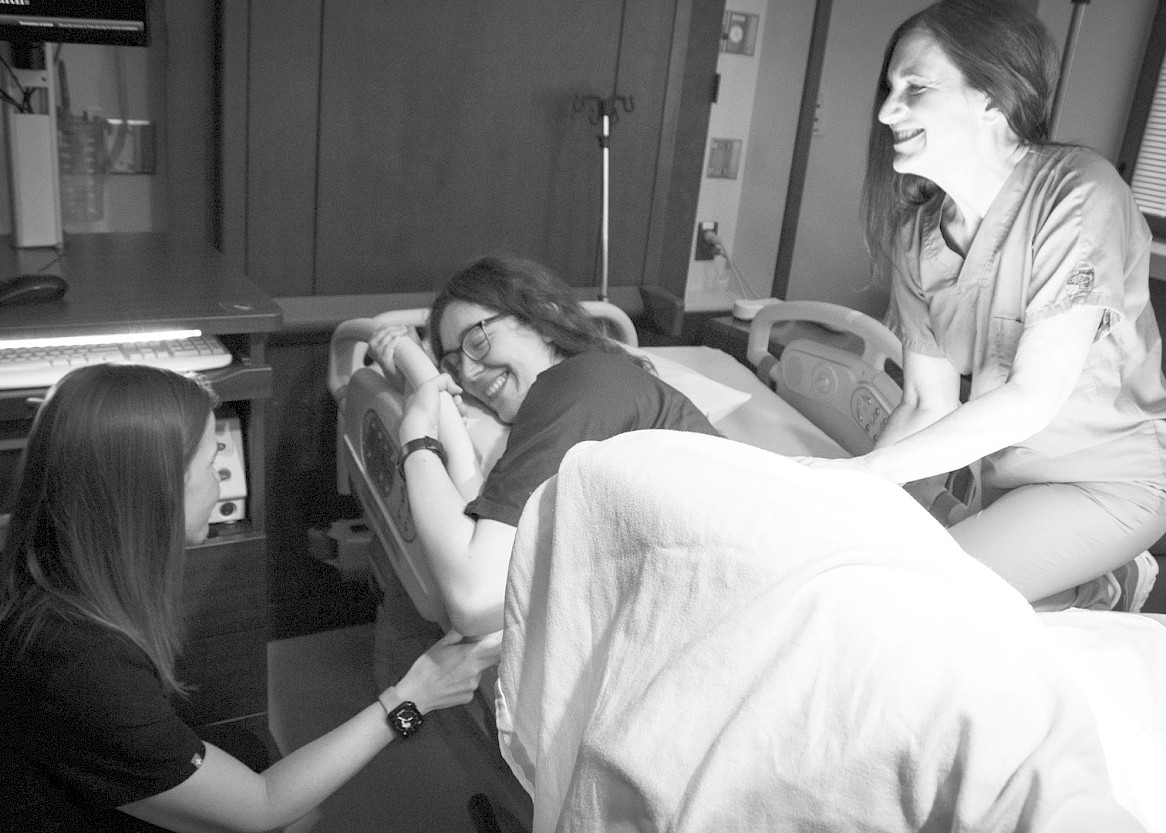
Sharrock is quick to acknowledge that while labor and delivery rooms are often joyful spaces, they are also places where heartbreak can live. “Yes, generally it is happy, and we celebrate new life, but there are other moments we come face-to-face with as well. It is in those moments when I want to speak directly to that mother’s heart and tell her that this loss or poor diagnosis is not her fault.” In those moments, midwives become more than medical providers. They become anchors. “I find a way to start giving her hope on possibly the worst day of her life as a parent.”
And then there are the moments that require strength of a different kind, the moments when a mother feels she cannot go on. “Sometimes a woman needs simple reassurance from another woman,” Sharrock says, “someone who will stand next to her and say, ‘I believe in you. I am right here. You were created for this moment. Come on now, let’s have a baby.’ Pure joy is on the other side of her digging deep and not giving up.” It is in those words, firm yet full of compassion, that mothers often find the strength they didn’t know they had.
Midwifery is also surrounded by misconceptions. Many assume midwives only attend home births, that they cannot have an epidural, or that they cannot have any pain control, but CNMs practicing in hospital settings offer a full spectrum of care. What sets midwifery apart is not the absence of medical care but having a choice. Sharrock recalls the shift she witnessed when women began to understand they could move during labor, choose positions of comfort, and trust their bodies rather than follow rigid expectations such as being confined to their backs. “Watching a woman trust her body is empowering to her and exciting for a midwife to witness,” she adds.
That empowerment is not only something providers see. It is something patients feel. Candace Stine, a registered nurse at CHRISTUS St. Michael Hospital, experienced that firsthand when she chose a midwife to deliver her first child. “I chose a midwife because I felt more comfortable and supported,” she shared. “They are known for being flexible and creating a more relaxed experience. During my labor, they helped me stay calm and never rushed me, which made such a difference.”
For Stine, that thoughtful approach shaped both her experience and her outcome. “As a first-time mom, I had a great delivery, which truly felt like an answered prayer. I would absolutely recommend a midwife. They are a great option for moms who want someone personable, supportive, and willing to walk through the experience with them.”
Brittany Nieves, a CNM at CHRISTUS St. Michael Hospital, echoes that same heart for holistic care. “Midwifery is so much more than just the physical part of birth,” she says. “As a mother of three myself, I understand what it is like during the vulnerable times. Whether it is reassurance, prayer, or providing resources that can help you postpartum before you go home, we can do that. I lost my own mother at eight months pregnant with my first child, so I can empathize with women who need more personal guidance through the hard times. I wish more people understood that as a nurse midwife that attends births in a hospital, we can take care of women who are both low-risk and high-risk patients as well. Whether you want a hands-off approach, need an induction of labor, or are having a cesarean section delivery, we are still there for you. As midwife hospitalists, we work hand in hand with amazing obstetricians to ensure that you and your baby are safe.”
In the United States, only 10-12% of births are attended by midwives, a stark contrast to countries like the United Kingdom, where that number ranges from 50-70%. It is even higher in places like the Netherlands. Notably, midwifery care is associated with lower cesarean section rates and improved maternal outcomes. While the U.S. cesarean rate hovers around 30-32%, countries with higher midwife involvement see rates closer to 15%. These numbers tell an important story. But the real story is found in the lives changed, the hands held, and the encouragement shared in delivery rooms by midwives every single day.
For Hollie Sharrock, the calling of being a midwife holds special significance at this time of year. “Mother’s Day is a very special day to me as a mother and midwife,” she said. “As a midwife, every day is Mother’s Day. I am passionate about women becoming mothers and other women surrounding them to help and encourage them in times of need.”
As we celebrate Mother’s Day, we honor not only the mothers who hold their babies close but also the hands that helped guide them into the world. The midwives who stood beside them, believed in them, and reminded them of their strength when they needed it the most. Before the cards and flowers, celebrations and tributes, there was a moment, a sacred beginning, where a woman became a mother. And at that moment, she was not alone.