What’s New and What’s Next at Ellen Trout Zoo
For Texarkana-area families looking for a change of scenery, a drive to Lufkin offers the chance to spend the day exploring one of East Texas’ longtime attractions—and there are now even more reasons to make the trip. Ellen Trout Zoo is entering an exciting period of growth, with newly opened primate exhibits and additional habitat improvements underway. Familiar animals are gaining new spaces, visitors are discovering new ways to experience the zoo, and several guest favorites are at the center of what comes next.
A New View of Familiar Primates
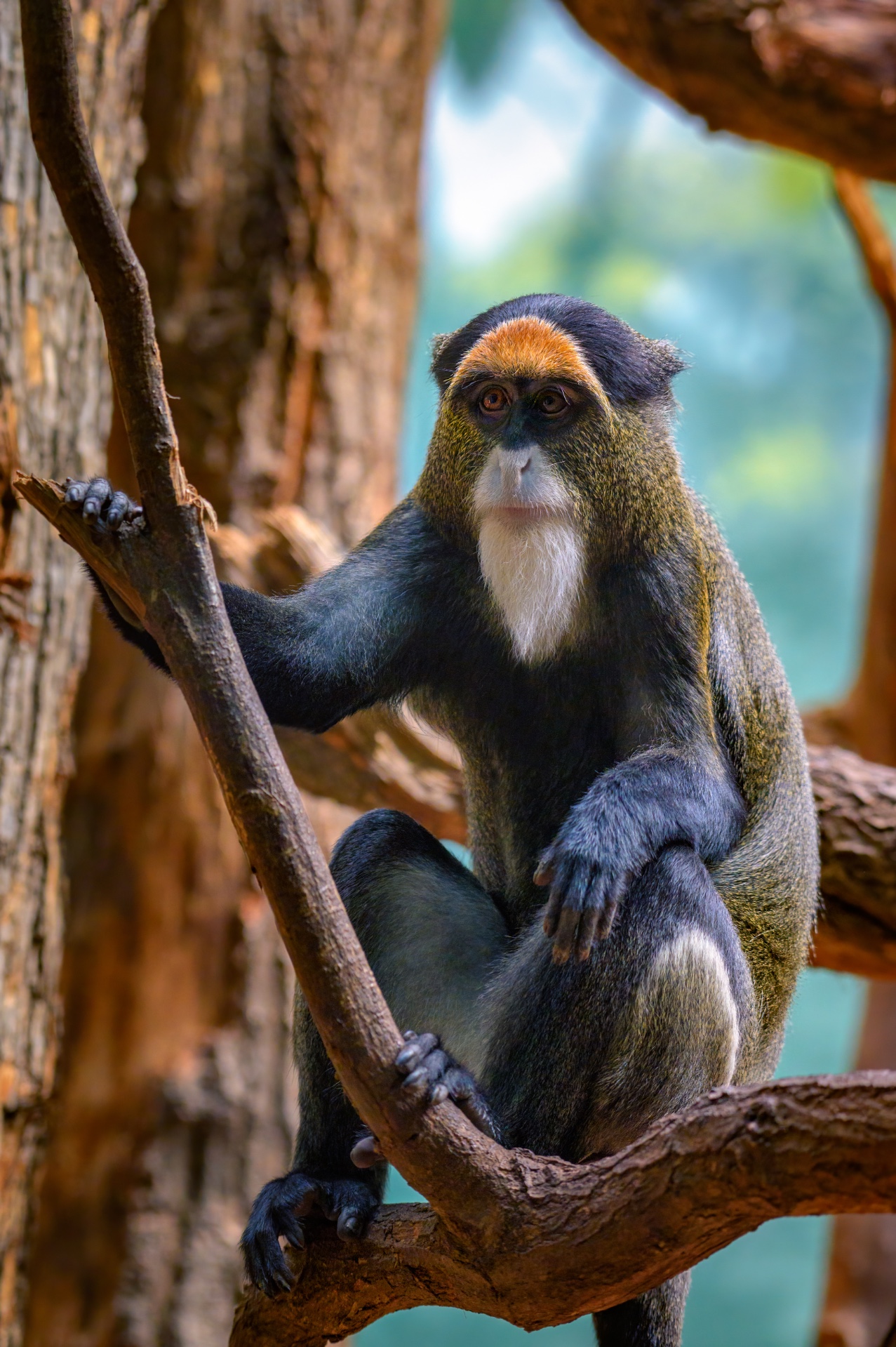
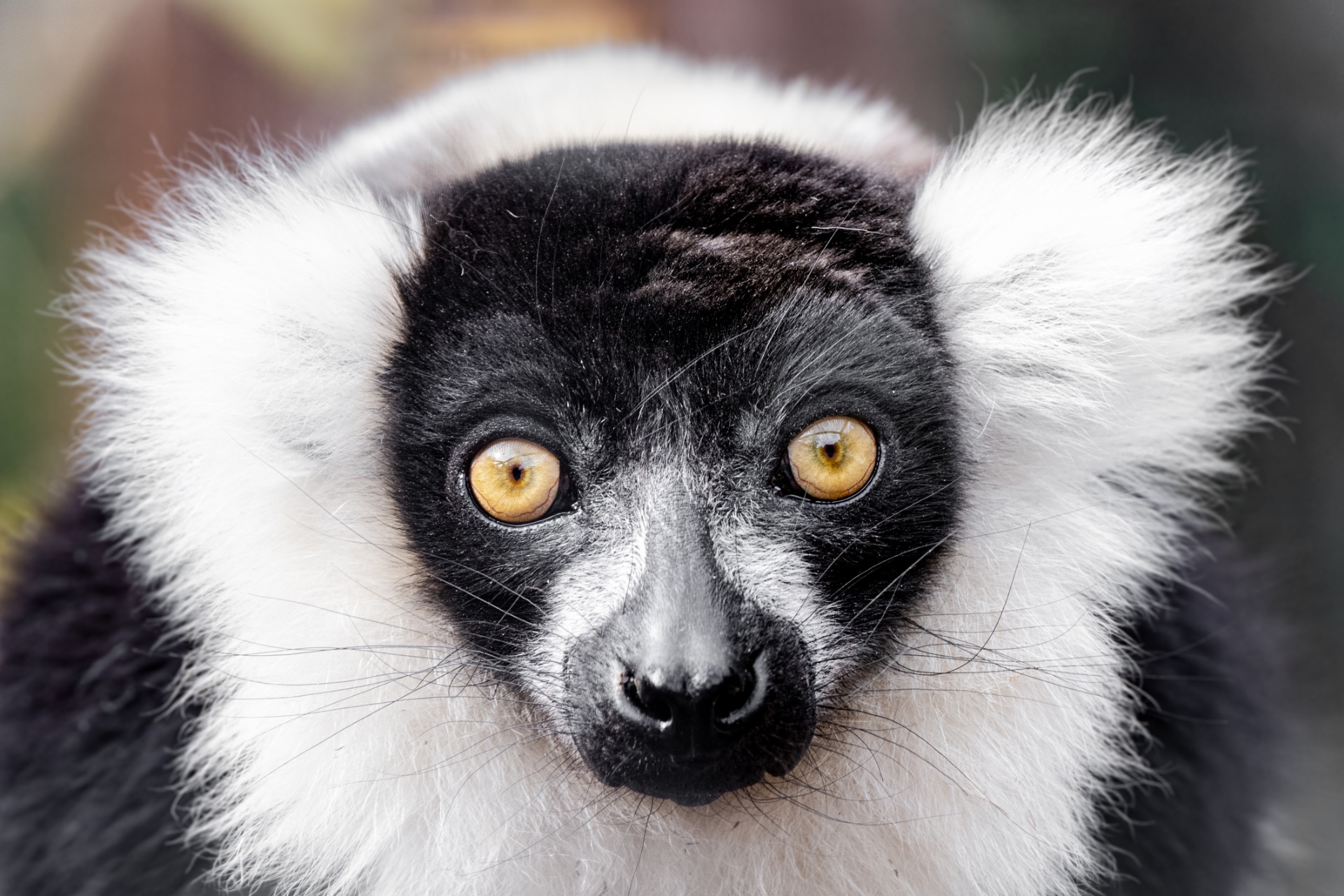
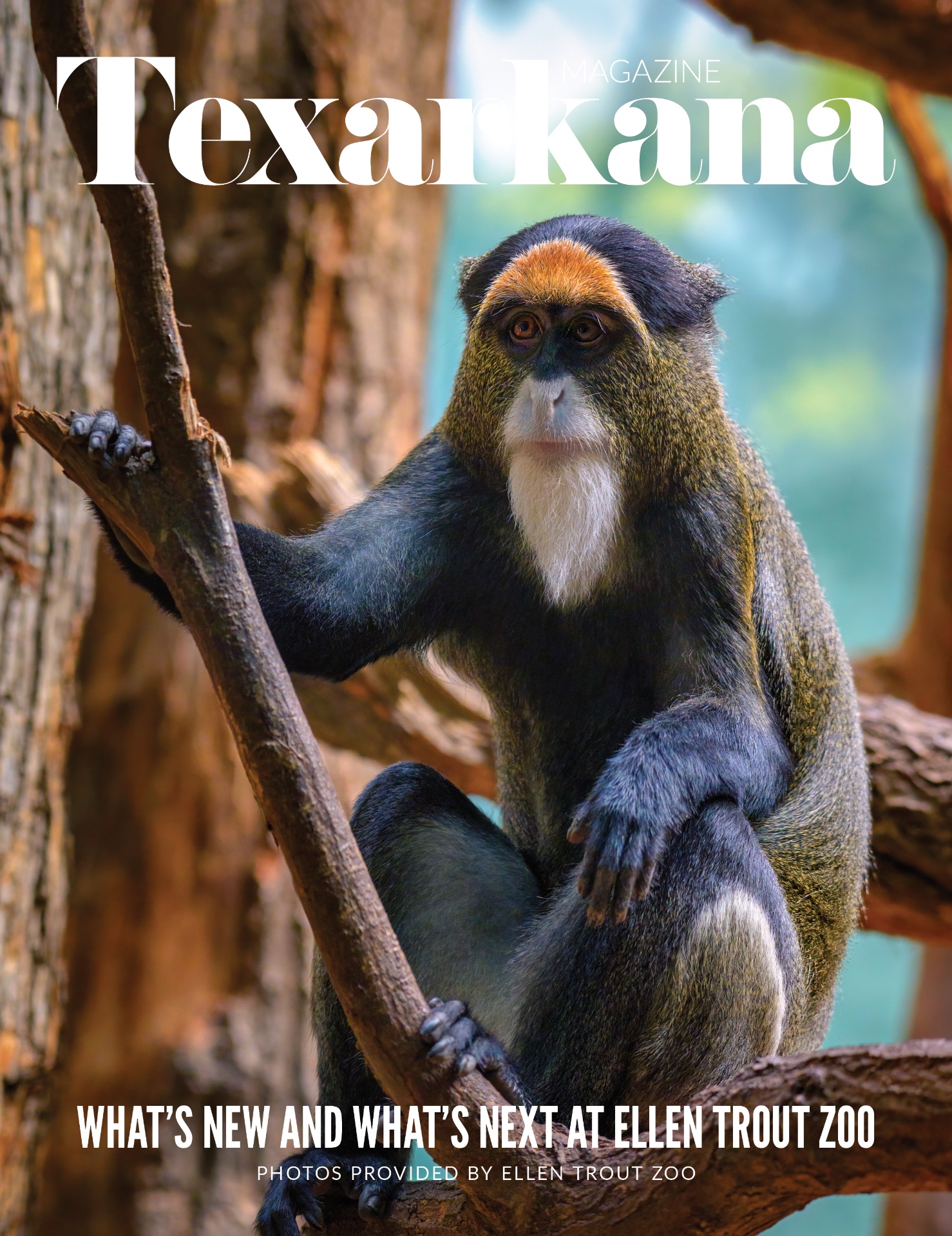
The zoo’s newest completed project is a new primate building and adjoining exhibits for its black-and-white ruffed lemurs and De Brazza’s monkeys. Although the animals themselves are familiar Ellen Trout Zoo residents, their new exhibits in the African section offer returning guests a fresh way to see them. Black-and-white ruffed lemurs are native to Madagascar and are known for their thick contrasting coats, expressive faces and powerful calls that can carry through the forest. De Brazza’s monkeys, found in the forests and wetlands of Central Africa, are easily recognized by their white beards and distinctive orange brow markings. Both species have long been part of the Ellen Trout Zoo family. Their new exhibits allow the zoo to continue caring for these familiar residents while giving guests a better opportunity to pause, observe their behavior and learn more about the wildlife they represent.
Bringing the Komodo Dragons Outdoors
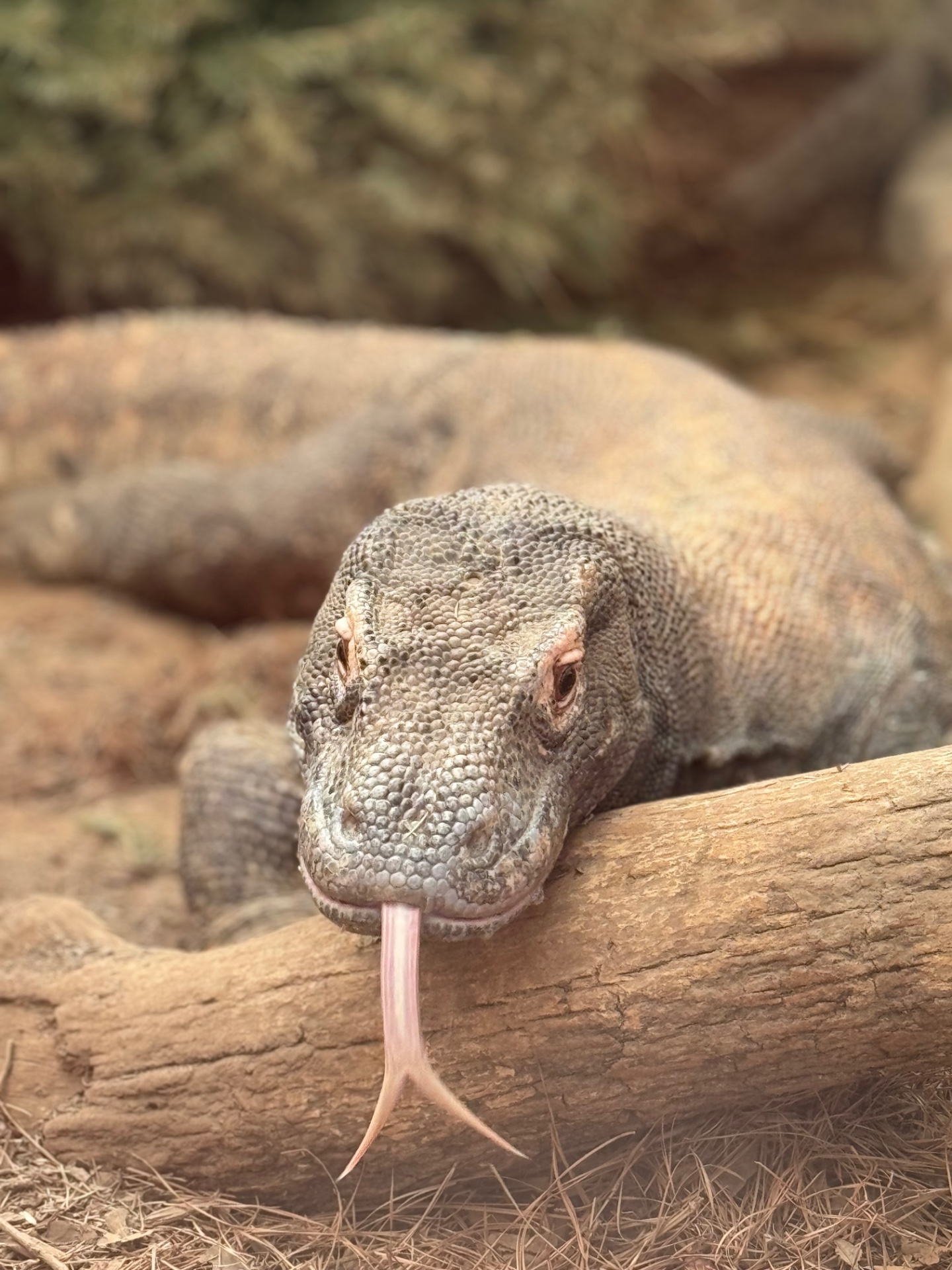
Another project underway will create a new outdoor space for Ellen Trout Zoo’s two Komodo dragons. As the largest living lizards in the world, Komodo dragons are among the zoo’s most memorable residents. Their size and prehistoric appearance immediately capture visitors’ attention, but their intelligence and individual personalities are equally impressive to the keepers who work with them. The upcoming outdoor habitat will give the dragons additional opportunities to explore, experience natural sunlight andinteract with a changing environment. It will also offer guests a new way to view animals that many people may never have another opportunity to see in person. Ellen Trout Zoo is home to Rajah and Jasmine, two remarkable Komodo dragons. Rajah is 27 years old, while Jasmine is 32 and is believed to be the oldest Komodo dragon currently living in the United States. Creating a new outdoor space for them is about more than adding another viewing area. It reflects the zoo’s commitment to continually adapting its facilities to support the animals throughout every stage of their lives.
A Larger Habitat for a Guest Favorite
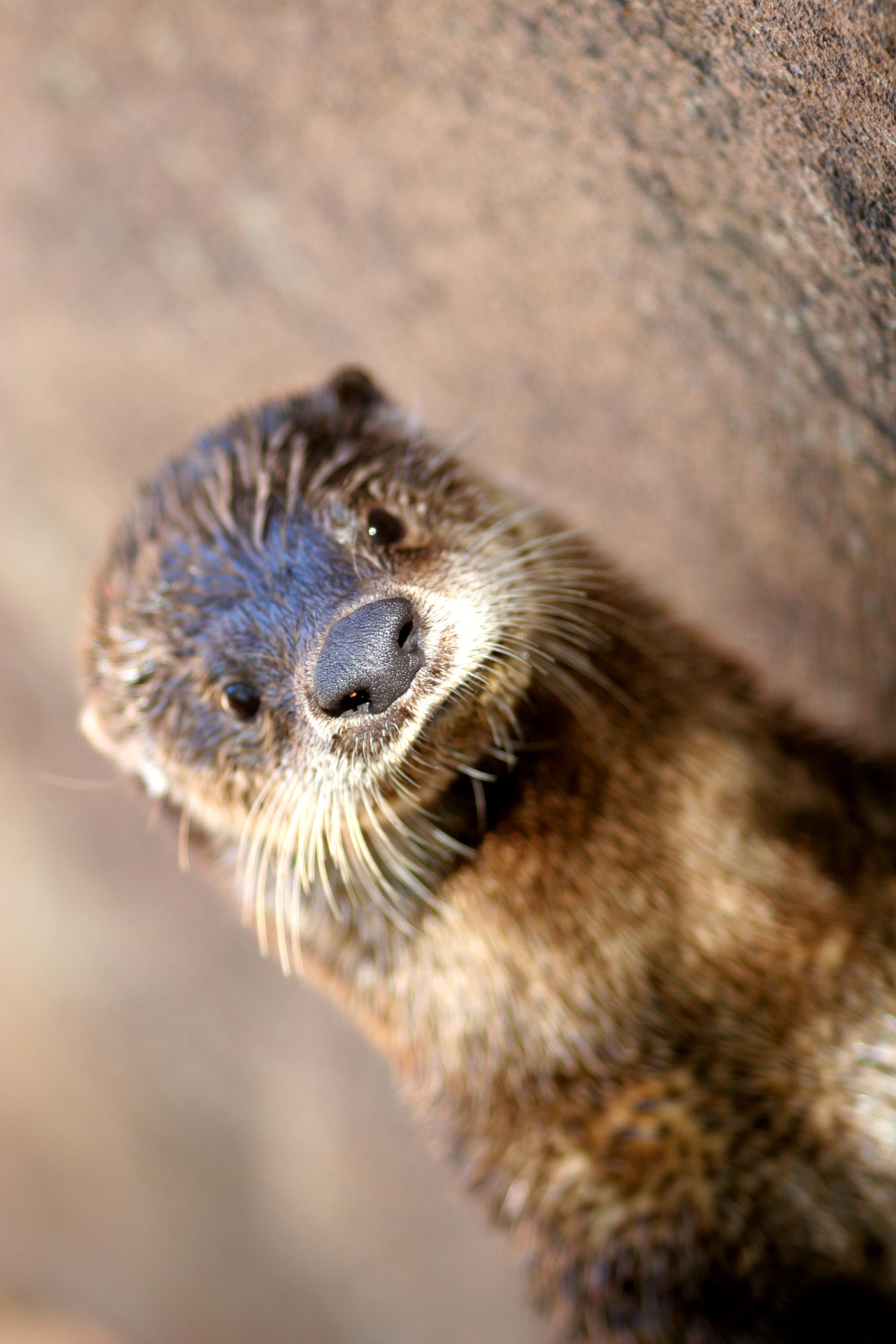
Few Ellen Trout Zoo residents win over visitors quite as quickly as Piper, the zoo’s North American river otter. Whether she is swimming, diving, investigating enrichment items or simply keeping an eye on nearby guests, Piper’senergy and curiosity make her a favorite with visitors of all ages. Plans are now underway for a larger exhibit that will give her more room to swim, explore and demonstrate the natural behaviors that make river otters so entertaining to watch. North American river otters are agile swimmers with streamlined bodies, powerful tails, and webbed feet. Although their behavior often appears playful, their movement and curiosity are important natural behaviors that help them investigate and interact with their surroundings. For many visitors, stopping to see Piper is already an essential part of a day at the zoo. Her planned habitat will build on that connection while creating a more expansive space for both animal activity and guest viewing.
More Than a Construction Update
Although new buildings and habitats are the most visible signs of growth, each project begins with the same goal: to improve animal care while strengthening the connection between wildlife and the people who come to see it. Modern zoo habitats must meet a variety of needs. They provide animals with opportunities for movement, rest, enrichment, and choice while allowing keepers to safely provide daily care. Thoughtfully designed viewing areas also give guests the chance to observe behaviors they might otherwise never experience. For Ellen Trout Zoo, progress is not simply about adding something new. It is about carefully improving the experience for the animals, the staff members who care for them and the generations of visitors who have made the zoo part of their family traditions.
Worth the Drive to Lufkin
Located in the Pineywoods of Deep East Texas, Ellen Trout Zoo makes an inviting day-trip destination for visitors traveling from the Texarkana area. The zoo’s manageable size allows families to explore without feeling rushed, while shaded pathways and a diverse variety of animals make it easy to spend several hours discovering something around every turn. Guests can see species ranging from giraffes, hippos and rhinoceroses to big cats, primates, reptiles, and birds—all within a relaxed, walkable setting. The zoo is also located beside Ellen Trout Lake, giving travelers the opportunity to slow down and enjoy more of the surrounding area while they are in Lufkin. For those who have visited before, the new primate exhibits provide a reason to return and experience familiar animals from a new perspective. The upcoming Komodo dragon and river otter habitats offer an early glimpse of what is still to come. For those who have never made the trip, this is an ideal time to discover why Ellen Trout Zoo has remained a favorite East Texas destination for generations. The surroundings may be changing, but the animals at the heart of these projects are already familiar faces—ready to welcome both longtime supporters and first-time visitors to Lufkin.