What You Need to Know About Your Heart Health
Heart disease does not always present obvious warning signs, and risk factors are not always visible. Even individuals who appear healthy, such as athletes or those without known conditions, can experience serious cardiac events. Symptoms like shortness of breath, fatigue, or discomfort in areas such as the jaw or back are often overlooked, yet they can signal underlying heart problems. Heart disease frequently progresses silently until it becomes critical.
February is American Heart Month, but heart health requires attention every day.
The Reality in Our Region
Arkansas consistently ranks among the states with the highest heart disease mortality rates, well above the national average. Approximately one in five deaths in the United States is caused by heart disease, and many of these deaths are preventable through early detection and lifestyle changes.
Small Changes, Big Impact
Evidence shows that lowering systolic blood pressure by 10—12 points can reduce coronary heart disease risk by about 20%, decrease stroke risk by more than 30%, and significantly lower cardiovascular mortality. These benefits often occur sooner than expected.
Practical steps for heart health include:
Regular physical activity
Even daily walking strengthens the cardiovascular system.
Balanced nutrition
Diets rich in fruits, vegetables, lean proteins, and whole grains support healthy cholesterol and reduce inflammation.
Limit processed foods
Reducing sodium, added sugars, and ultra-processed foods improves blood pressure.
Adequate sleep
Seven to nine hours per night aids blood pressure regulation and metabolic health.
Routine health checks
Monitoring blood pressure and cholesterol enables early intervention.
Managing even one risk factor can improve long-term outcomes, and addressing multiple factors together can significantly reduce cardiovascular risk.
Recognizing Subtle Warning Signs
Chest pain is not the only indicator of heart trouble. Symptoms such as unexplained shortness of breath, extreme fatigue, jaw pain, dizziness, nausea, or discomfort in the arms, shoulders, or back should not be ignored. These signs often precede urgent cardiac events.
Prompt medical evaluation is critical, especially for women, who are more likely to experience atypical symptoms. Early care can preserve heart function and save lives.
A Call to Action
American Heart Month serves as a reminder to prioritize cardiovascular health. Small, consistent choices, such as taking a walk, connecting with a friend, scheduling a checkup, or choosing vegetables over fried foods, can have a profound impact.
Your heart beats more than two billion times in a lifetime. Taking steps to protect it today can lead to a longer, healthier future.
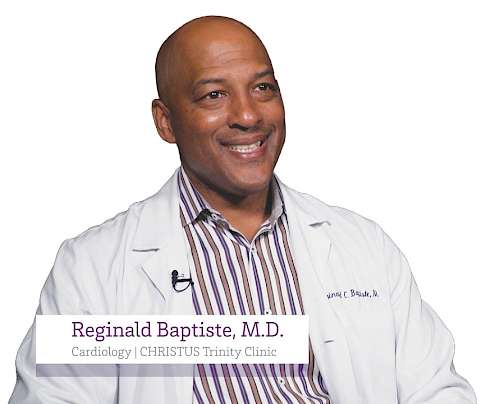
Reginald C. Baptiste, M.D., is a board-certified cardiothoracic surgeon at CHRISTUS St. Michael Health System and CHRISTUS Trinity Clinic Heart & Vascular in Texarkana, Texas. He earned his medical degree from Baylor College of Medicine and completed his surgical training in thoracic surgery at the University of Texas Health Science Center at San Antonio, Texas. With more than three decades of experience, Dr. Baptiste specializes in the surgical treatment of heart and lung conditions, including coronary artery bypass surgery, heart valve repair and replacement, and minimally invasive thoracic procedures. He is certified by the American Board of Thoracic Surgery and has served in leadership roles within CHRISTUS St. Michael, helping provide advanced cardiovascular and thoracic care to the Texarkana community.